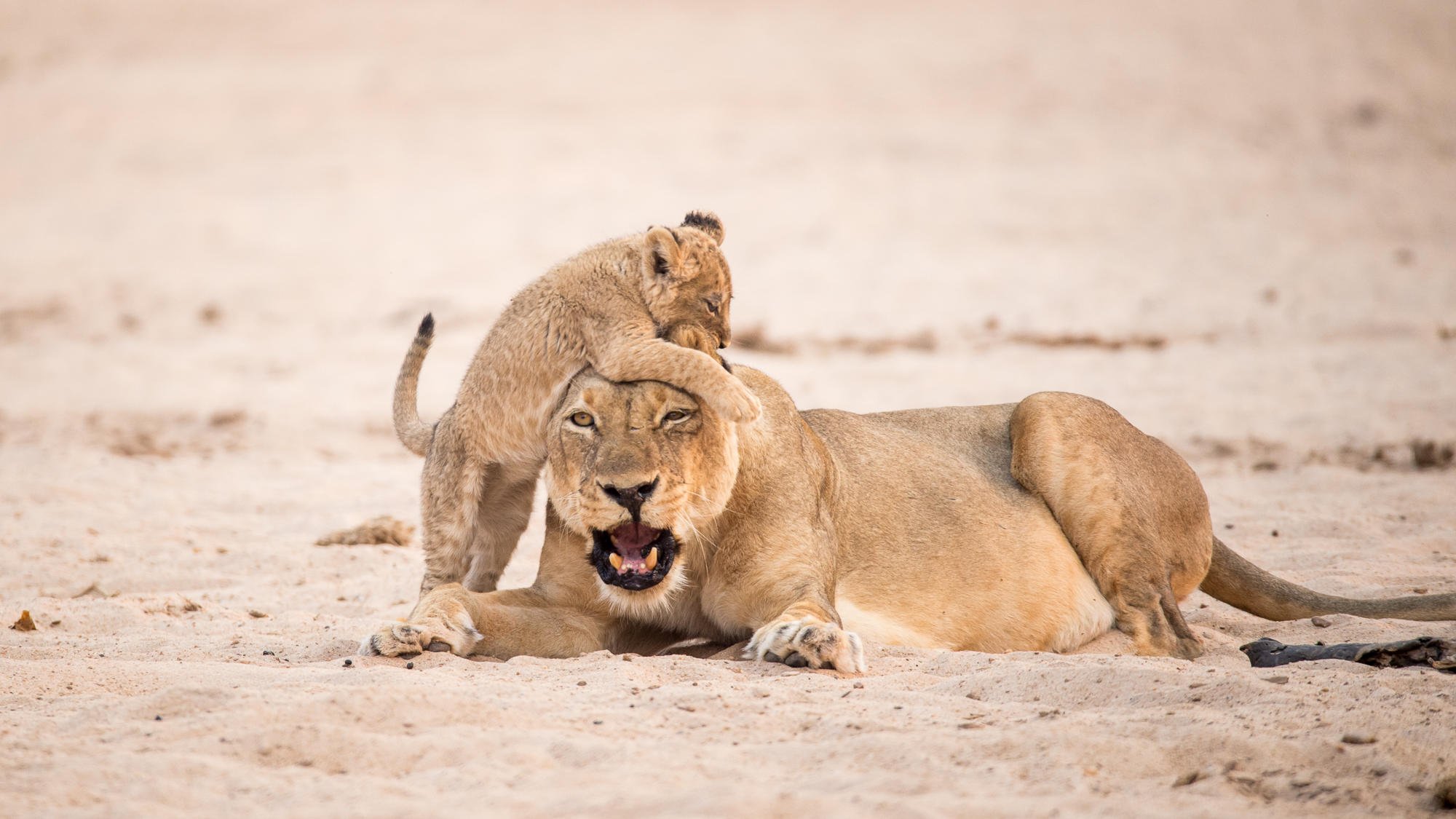
The Okavango Delta offers a unique experience throughout the year, but the best time to visit is from July to October, when wildlife viewing is at its peak during the dry season and the environment is perfect for safaris. During these months, water levels are high enough for boat trips, yet the weather is cooler, making it easier to spot animals around the shrinking waterholes.
Visitors who prefer birdwatching might find the wet season from November to April more appealing, as many migratory birds arrive. However, this period can bring heavy rains and some areas may be hard to access. Each season offers different advantages, so knowing what to expect can help travellers pick the best time for their interests.
Whether someone wants to see the famous floods, witness baby animals, or enjoy quieter campsites, understanding the seasonal changes in the Delta will help plan a rewarding trip.
Key Takeways
Wildlife viewing is best during the dry months of July to October.
The wet season offers excellent birdwatching but can limit access.
Seasonal knowledge helps visitors choose the best experience for them.
Overview of the Okavango Delta

The Okavango Delta is one of Africa’s most remarkable natural wonders. It features diverse landscapes shaped by water that supports rich wildlife year-round. The area’s unique environment and global importance make it a key destination in Botswana and beyond.
Distinctive Wildlife and Ecosystem
The Okavango Delta hosts a wide variety of animals, including elephants, lions, hippos, and hundreds of bird species. It is a refuge in the dry Kalahari region, attracting many species during the dry season. Large mammals gather around permanent water sources, creating excellent opportunities for wildlife viewing.
The floodplains, water channels, and islands create varied habitats. These support aquatic life, amphibians, and plants unlike anywhere else in Africa. The presence of predators following migrating herds adds to the dynamic ecosystem. This variety makes the delta a prime location for safaris and research on biodiversity.
UNESCO World Heritage Status
Designated as a UNESCO World Heritage Site, the Okavango Delta is recognised for its ecological importance and natural beauty. This status helps protect the delta from overdevelopment and supports conservation efforts. It is listed for its outstanding representation of a vast inland delta ecosystem.
The designation also highlights Botswana’s commitment to sustainable tourism. It encourages visitors to respect the delicate balance of the environment. The World Heritage status increases global awareness of the area’s conservation needs and ongoing threats like climate change.
Unique Flooding Cycle
The Okavango Delta experiences a rare flood cycle, fed by rainwater from the Angolan Highlands hundreds of kilometres away. Water takes about six months to travel down the Okavango River, so flooding peaks during Botswana’s dry season from May to August.
This delayed flooding supports rich vegetation growth and creates a mosaic of water channels and islands. The high water levels force animals to concentrate in smaller areas, improving wildlife encounters. However, the water depth varies year by year, influencing access for boats and mokoro trips.
This natural rhythm shapes the delta’s character, setting it apart from other African wetlands. The combination of dry and wet seasons makes it a year-round destination with changing landscapes and wildlife patterns.
Seasonal Patterns in the Okavango Delta

The Okavango Delta experiences clear shifts in weather and water levels throughout the year. These changes affect wildlife movement, vegetation, and safari activities. Visitors can expect varying temperatures, flooding cycles, and animal behaviour based on when they visit.
Overview of Annual Floods
Water from heavy rains in Angola begins its long journey south during the rainy season from November to April. This water reaches the Okavango Delta months later, usually by late May. The floodwaters rise steadily, peaking in July and August, transforming the landscape into vast floodplains.
As waters peak, animals gather near permanent water sources in the dry Kalahari Desert environment. By September, the floodwaters begin to recede, concentrating wildlife further. This annual flood cycle shapes the Delta and is a key reason the region supports such diverse wildlife year-round.
Green Season: November to April
The green season coincides with the rainy months, bringing afternoon showers that refresh the land. The Delta becomes lush, and the floodplains start to fill with water. This period offers vibrant landscapes and many newborn animals.
Fewer tourists visit during these months, so the experience tends to be quieter and more private. Migratory birds arrive in great numbers, making it ideal for birdwatching. However, widespread water sources mean wildlife can be scattered. Roads may be muddy, affecting ground travel, so air transfers are often preferred.
Shoulder Season: May to June
The shoulder season bridges the green season and the dry season. Floodwaters from Angola arrive in the Delta, creating new waterways and lush habitats. Wildlife starts to concentrate near diminishing water pools.
This time is cooler and less crowded, allowing comfortable and flexible safari options. It’s often more affordable due to lower demand. However, unpredictable flooding can alter game drive routes, and sudden rain showers remain possible. Visitors should be prepared for changing weather and enjoy the transition from wet to dry conditions.
Dry Season: July to October
The dry season is the best-known period for wildlife watching in the Okavango Delta. As floodwaters peak in July and August, animals crowd around permanent water channels. The weather is dry, with clear skies and mild daytime temperatures but chilly nights.
Safari activities like mokoro canoe rides are popular as waterways expand. September and October see the floodwaters retreat, which further concentrates animals, especially near deeper lagoons. October is often hot, and dust may gather before the next rains. This season demands early bookings because it is the busiest and best time for game viewing.
Best Months for Wildlife Viewing

The Okavango Delta offers distinctive wildlife experiences depending on the time of year. Specific months bring higher concentrations of animals near water, and certain seasons present opportunities to see newborn creatures and a wide variety of bird species.
Peak Wildlife Concentration
From July to October, the dry season causes floodwaters to recede, forcing animals to gather around shrinking water sources. This period is ideal for game viewing as large herds of herbivores such as elephants, buffalo, and antelope become easier to locate. Predators like lions, leopards, and African wild dogs follow closely, making sightings more frequent and dynamic.
Wildlife concentrates along the permanent water channels, so lodges and safari routes near these areas offer the best chances to observe diverse species. During this time, populations are dense enough to support exciting predator-prey interactions that attract photographers and wildlife enthusiasts alike.
Notable Mammals and Predators
The Okavango supports iconic mammals year-round, but the dry season accentuates the visibility of large mammals. Elephants are often seen in large family groups as they visit waterholes. Buffalo herds gather for similar reasons, and antelope species, including impala and sitatunga, thrive in the remaining wetlands and floodplains.
Predators like lions patrol these concentrated groups, while leopards prefer more concealed areas but become visible during regular game drives. African wild dogs, a rarer sight, roam widely but are also easier to spot when prey is grouped near the water. This balance of herbivores and predators ensures compelling wildlife viewing throughout these months.
Newborn Animals and Birdwatching
Between November and March, the Delta enters its wet or “Emerald” season. This time sees an abundance of newborn animals across species, including lion cubs and elephant calves. These young animals provide unique, intimate wildlife encounters as they learn to survive in the lush environment shaped by seasonal rains.
Simultaneously, migratory birds flood the Delta, making birdwatching exceptional for all levels of enthusiasts. The region hosts diverse bird species, from water birds to raptors. This period suits visitors interested in a quieter safari experience focused on rich greenery and vibrant birdlife rather than high-density predator sightings.
Safari Activities by Season

The activities on an Okavango Delta safari change with the seasons, as water levels and wildlife behaviour shift. Visitors should plan their trips to match the experience they want, whether that is drifting quietly on the water or spotting animals on land.
Mokoro and Boat Safaris
Mokoro rides are best during the dry season, from May to October, when water levels are high but the weather is cooler. These traditional dugout canoes allow close-up views of the Delta’s waterways, gliding silently through reeds and channels.
Boat safaris are also popular in this season. The water flows slowly, making it easier to spot animals coming to drink or birds resting on floating vegetation. During the wet season (November to March), mokoro trips may be limited as some channels are too shallow or blocked by vegetation. Boat safaris can still operate but with less predictability due to rising water and rains.
Game Drives and Walking Safaris
Game drives become most productive during the dry months when animals gather near remaining water sources. From July to October, wildlife sightings increase around the Okavango Delta’s edges and floodplains. Predators like lions and wild dogs are easier to find as prey concentrates.
Walking safaris provide a different perspective on wildlife, focusing on smaller details like tracks, plants, and insects. These walks are generally safer and more comfortable in cooler months, although some lodges offer them year-round. During the wet season, heavy rains can restrict vehicle movement, but walking safaris offer access to areas vehicles cannot reach.
Scenic Flights and Photography
Scenic flights over the Delta are available year-round, but conditions are best during the dry season when skies are clearer and less turbulent. This is the prime time for aerial wildlife photography, capturing large herds and flooded plains from above.
Photographers favour the early dry season for crisp light and distinct animal patterns, while birdwatchers prefer the wet season for colourful migrant species. Flights also reveal changing landscapes, such as receding waters during the dry months or the Delta’s lush greenery in the rains. Flying provides a unique overall view that complements ground-level experiences.
Choosing the Right Time for Your Visit

Visiting the Okavango Delta requires careful timing based on what visitors want to experience. The options vary between busy, wildlife-rich months and quieter periods with unique landscapes. Weather and costs also play key roles in deciding when to travel.
Peak and Shoulder Season Advantages
The peak season in the Okavango Delta falls from July to October, during the dry season. Wildlife gathers around shrinking waterholes, making encounters easier and more frequent. This time features excellent game viewing and dramatic landscapes shaped by high floodwaters. It is also the period when water levels are high, creating the iconic waterways that are perfect for mokoro and boat trips.
The shoulder season, spanning April to June and November, offers a good balance of moderate crowds and pleasant weather. At this time, the land begins to dry after rains, and wildlife viewing improves as animals start to congregate. While the shoulder season has fewer tourists than peak months, it still provides good access to lodges and activities.
Low Season Experiences
From November to March, the Okavango Delta enters the green season with warmer temperatures and afternoon showers. The landscape becomes lush and vibrant, creating stunning scenery, especially for photographers and bird watchers. Many migratory birds arrive, adding variety to the wildlife.
However, the wet season can make some areas difficult to reach due to flooded tracks. Some lodges close during this time due to accessibility issues. While wildlife is more dispersed, this season offers the chance to see newborn animals and predators drawn to them.
Balancing Crowds, Costs and Weather
Peak season means higher prices and more visitors, but guarantees good wildlife sightings and reliable lodge availability. Shoulder months present a middle ground, with lower rates and fewer crowds, while still providing decent wildlife activity and comfortable temperatures.
The low season offers the lowest costs and fewer tourists. Yet, heavier rains may disrupt travel and limit wildlife views. Visitors must weigh the desire for lush scenery and birdlife against the possibility of afternoon showers and restricted access.
Season | Wildlife Viewing | Landscape | Crowds | Costs | Weather |
Peak (Jul–Oct) | Excellent | Dramatic, dry | High | High | Warm, dry |
Shoulder (Apr–Jun, Nov) | Good | Transitional | Moderate | Moderate | Cooler, some rain |
Low (Nov–Mar) | Variable | Lush, green | Low | Low | Hot, rainy |
Travel Logistics and Regional Considerations

Planning a trip to the Okavango Delta involves understanding transport options, accommodation availability, and health precautions to ensure a smooth visit. Visitors must consider regional access points, seasonal lodge operations, and environmental factors that affect travel safety and comfort.
Access and Key Locations
The main gateway to the Okavango Delta is Maun, served by Maun International Airport. From here, travellers typically take small light aircraft flights to various delta entry points. These flights provide access to remote areas like Moremi Game Reserve and camps located on islands or near lagoons.
Water routes in the delta consist of winding channels lined with papyrus reeds. These are best explored by mokoro (traditional dugout canoes) or boat safaris, especially during the dry season when flooding peaks. The flooded landscape means road access is limited, so air and water transport are vital for reaching camps and viewing wildlife.
Most arrivals fly into Maun, where safari operators coordinate transfers by air or vehicle to lodges. Planning connections ahead is essential, as flight schedules depend on weather and water levels.
Accommodation and Seasonal Availability
Accommodation in the Okavango Delta ranges from luxury lodges to remote safari camps, often situated on islands or near water channels. Many lodges operate seasonally, closing during the wet months (January to March) when access is difficult due to heavy rains and some areas become inaccessible.
From May to October, the dry season, lodges open fully, catering to peak tourism for better wildlife viewing. This period also sees higher rates due to demand. Some camps remain exclusive and less crowded even in high season, offering a quieter experience.
Booking early is crucial for popular lodges, especially in Moremi Game Reserve and areas reached only by light aircraft. Visitors should confirm availability before travel, as some remote camps close during low water levels or extreme heat.
Health and Safety Tips
Travelers to the Okavango Delta should prepare for heat, insects, and outdoor conditions. It is advisable to bring insect repellents and wear long sleeves to protect against mosquitoes, which are most active during the wet season.
Water levels impact accessibility, so it is important to follow local advice about safe travel routes by boat or mokoro. Flash floods and afternoon rainstorms can make some areas dangerous or unreachable, especially between November and March.
Visitors should ensure vaccinations are up to date, including for malaria. Travellers must drink only bottled or purified water and avoid swimming in uncertain waters to prevent illness. Travel insurance covering emergency evacuation is recommended due to the remote nature of the delta.
Frequently Asked Questions

The timing of visits to the Okavango Delta depends on wildlife activity, water levels, and weather conditions. Travel plans can be influenced by flooding, animal movements, and the type of safari experience desired.
What are the peak seasons for wildlife spotting in the Okavango Delta?
The peak wildlife season runs from July to October. During this dry period, animals gather around shrinking water sources, making game viewing more predictable and concentrated.
When is the Delta flood season and how does it affect travel plans?
Floodwaters usually arrive by late May, peak in July and August, and start to recede in September. High water levels allow for mokoro canoe rides but can make some areas inaccessible by vehicle, so air transfers or boat travel may be necessary.
Can you recommend the ideal month for a safari in the Okavango Delta?
August and September are often recommended for the best combination of wildlife viewing and comfortable weather. Visitors see large herds of animals and benefit from mild daytime temperatures.
How does the Okavango Delta’s climate vary throughout the year?
From November to March, the Delta experiences a green season with frequent rains and lush landscapes. The dry season from May to October has little rain, cooler nights, and clear skies.
What are the advantages of visiting the Okavango Delta during the off-peak season?
Visiting in the green season (November to April) means fewer tourists and vibrant scenery. This time offers excellent birdwatching and chances to see newborn animals, although wildlife can be more spread out.
Are there any particular times of year to avoid due to weather in the Okavango Delta?
Heavy rains from January to March can make some roads muddy and affect land travel. Afternoon thunderstorms may temporarily interrupt game drives, so air travel is often advised at this time.
Botswana Safaris
Kenya Safaris
South Africa Safaris
Tanzania Safaris
Zambia Safaris
Zimbabwe Safaris
For mOre information, get in touch and we will answer all your questions.
Book a free consultation with one of our travel experts.
Alternatively, send your questions or enquiries to us here